Dr. Joanne Magro “The Power of the Stiletto.” News Column (010)
Edition Ten- Week Ten; News Column:
Written by: Dr. Joanne Magro

Xylazine…Genocide? Conspiracy Theory, An introduction to death…
Dr. Joanne Magro and the severity of the opioid epidemic as it continues to threaten and expand, explained in writing.
Xylazine’s emerge as a dangerous adulterant in the illicit drug supply demands immediate attention. Originally synthesized in the 1960’s as a potential human anesthetic, its propensity for causing severe hypotension and central nervous system depression quickly relegated it to veterinary use only. Now, it’s a growing menace on the streets.
Xylazine Trafficking
The unregulated status of xylazine at the federal level has inadvertently opened the floodgates for its proliferation in the illicit drug market. Sourced primarily from overseas manufacturers, with some tracing back to China, the absence of stringent controls facilitates its unimpeded entry and distribution throughout the United States. This regulatory vacuum is a clear and present danger. The Combating Illicit Xylazine Act aims to schedule Xylazine as a Schedule III drug, providing the DEA with more tools to address its illicit use.
The Human Cost
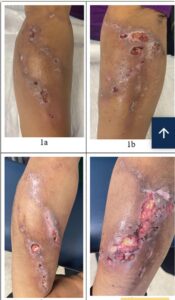
Xylazine inflicts a range of debilitating effects on human users. Profound sedation leads to a perilous reduction in consciousness, while respiratory depression threatens to halt breathing altogether, inducing hypoxia (lack of oxygen). Bradycardia, (low heart rate) slows the heart to a crawl, and hypotension plummets blood pressure to life-threatening levels. Perhaps most horrifying are the most severe skin ulcerations and necrosis that manifest, often at injection sites but also elsewhere on the body, sometimes necessitating amputation. The central nervous system spirals into depression, potentially culminating in coma or death.
The dangers compound exponentially when xylazine is combined with opioids such as fentanyl. The synergistic effect intensifies respiratory depression dramatically escalating the risk of fatal overdose. Compounding the problem, naloxone (Narcan), the standard opioid antagonist, is powerless against xylazine’s effects, rendering overdose management significantly more complex. This necessitates a revised approach to emergency response efforts.

Methods of Ingestion
Typically, xylazine is combined with other illicit substances, most notably fentanyl, heroin, and cocaine. The primary method of administration is injection, whether it’s intravenous, intramuscular, or subcutaneous. While less prevalent, it can also be ingested through smoking or snorting, further broadening its accessibility and appeal to unsuspecting users.
Mortality Statistics
The statistics paint a grim picture of escalating mortality. Overdose deaths involving xylazine have surged alarmingly in recent years. Data sourced from the Centers for Disease Control and Prevention (CDC) and other authoritative bodies reveal a stark upward trajectory:
Year Deaths Involving Xylazine
2018 102
2019 Increasing trend, but relatively low
2020 Significant Increase
2021 3,468
2022-2024 Continued high levels, no actual numbers to report to date
The overwhelming majority of these fatalities also involve fentanyl, underscoring the lethal synergy between the substances. The co-occurrence is NOT coincidental; it’s a deliberate, albeit deadly, marketing strategy by drug traffickers.

Demographic Impact
Xylazine-related overdose deaths cut across a wide age spectrum, with adults aged 25-54 being the most vulnerable demographic. While some data hint at disproportionate impacts on specific racial and ethnic groups, more comprehensive research is needed to substantiate these trends. What is clear, however, is that individuals of lower socioeconomic status and those experiencing homelessness face a significantly elevated risk.
Geographic Distribution
Initially, xylazine’s presence was most pronounced in the Northeastern United States, particularly in urban centers such as Philadelphia, Baltimore, and New York City. However, it has since metastasized to other regions, including the Midwest, South, and West Coast. States like Maryland, Connecticut, and Pennsylvania continue to report alarmingly high rates of xylazine-involved deaths. Certain metropolitan areas and counties have become veritable hotspots, exhibiting prevalence rates far exceeding the national average.
Combating the Crisis
Addressing this multifaceted crisis demands a comprehensive, coordinated response. Legislative measures, such as Combatting Illicit Xylazine ACT, represent a crucial step in curbing trafficking and distribution. Harm reduction strategies, including overdose
prevention education, naloxone (Narcan) distribution (despite its limitations), and the deployment of xylazine test strips, are essential for mitigating immediate risks.
Vigilant surveillance, leveraging toxicology reports, wastewater analysis, and even social media monitoring, is paramount for tracking Xylazine’s insidious spread. Simultaneously, developing targeted treatment protocols for xylazine withdrawal and specialized wound care for the debilitating skin ulcerations it causes is imperative.

“The challenge posed by xylazine is not merely a public health crisis; it’s a societal crisis demanding a united front. Law enforcement, public health agencies, healthcare providers, and community organizations must converge, pooling resources and expertise to stem the tide of this deadly scourge. The alternative is to stand idly as more lives are tragically cut short. A consequence no civilized society can afford. The rise of xylazine is a symptom of a deeper malaise, the relentless pursuit of profit at the expense of human lives. Until we address the root causes of addiction and the economic incentives that drive the drug trade, we will continue to fight a losing battle against ever-evolving chemical threats.
The question is not just how to stop xylazine, but how to create a society where such horrors are unthinkable.”
“The Doctor Joanne Magro Foundation for Physician Health and Wellness”/ jmagromd@gmail.com and Peer Support Specialist for Addiction Recovery and Support Community Outreach/ jmagromd@gmail.com.
—————————
What topics would you like to read next by authorship of Dr. Joanne Magro in the upcoming edition of her column? Leave your comments below!