Kai Henri Atobe- A Part Of My Routine (Professional Dancer & Performer) Interview 2026
Edition Thirty-Three – Week Thirty-Three; Unit 2:
Written by: Mercedes Barreto
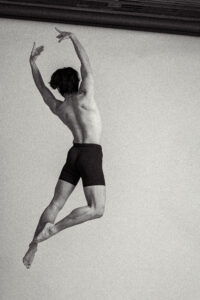
Can you tell us about the moment you first realized dance and performance would become your life’s work?
“I don’t think I’ve had an epiphany moment where I realized I want to dance and perform as my profession. The arts, performing, and dance especially have always been a part of my life. It was simply a part of my routine. Although when I was in kindergarten, apparently I told my mom I wanted to be a super hero, but the actor that portrays the hero. Other than that, my dream profession would constantly change.
I had many times in which I wanted to quit dance, but started to realize that it was always going to be a part of me and was something I should accept and cultivate. Soon after I just remember in high school that I started getting serious with ballet, and didn’t think any other profession was an option for me. I think in that sense, I always just thought that art is always going to be a part of my life no matter what “profession” I have.”
Looking back on your trajectory, which productions or collaborations do you feel most transformed your artistic voice?
“I feel it was the production of Bolero with the Tokyo Ballet Company. This was my first professional contract as a young adult, and kind of woke me up to start thinking outside the box. Bolero is a contemporary/neoclassical piece, and in simple terms, made me think that ballet can be cool. As someone that saw tiktok dances, hip hop dance crews, and LA dance studio videos blow up on social media, the thought of classical ballet being “cool” was not as prominent.
This masterpiece by Béjart focuses on the power of simplicity and rhythm. Choreographed to Maurice Ravel’s Boléro, the dance, like the music, uses repetitive themes to showcase dynamics and artistry rather than bold and flashy moves to entice the audience. Reassuring that it is not all about bold and extravagant moves, but intention and refinement. Bolero is also a male heavy cast if not all male, which is very rare especially for a ballet production. I think the exploration of a new genre, new environment, and new way of thinking through this project transformed my artistic voice.”

You’ve worked across different performance environments and creative teams. What qualities do you think make a collaboration truly successful?
“In my humble opinion, respect and a clear vision is what makes a collaboration truly successful. Respect is the most important thing when collaborating as you work with people. People are all different, and have their own story to tell. Being able to understand other people’s perspective, expression, and treating them with value is super important. Even between directors and actors. There still may be a hierarchy and prioritization of the directors vision over the actors, but as long as you can understand and accommodate for each other’s needs the process would be fruitful and more effective.
Having a clear vision of what you want to project to be is also very important. You don’t need to have everything figured out, but the more you know the more people will be able to help bring that vision to life.”
How has the Los Angeles creative scene influenced your work compared to your experiences in Japan?
“Culturally Japan is more conservative and as a male, acting/dancing wasn’t as accessible or encouraged. It wasn’t like I was looked down upon, but it wasn’t as common. I think Japan has recently become more expressive along with the newer generation. That being said, I always thought Japan was very artisanal, but in general from my experience their expression was more reserved. On the other hand, I believe that culturally, expression is practiced more day to day in the United States.
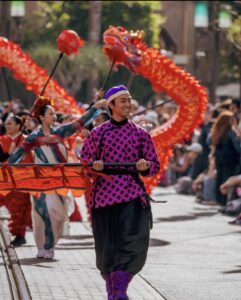
I think LA has a reputation of being “fake”, and that everyone wants to be a celebrity. Although I do think some of it holds water, the fact is that a lot of content is being created, both commercialized and genuine. I have explored so many different styles of dance, and seen so many styles of dancers. Also attending a performing arts college here has allowed me to immerse myself in a creative environment with many different artists. From working with actors, singers, and dancers. LA has allowed me to dive into different fields of artistic expression, and develop a deeper appreciation for not just the art but the process that goes behind it. In general an artistic outlet is very accessible in this city, and having a high artistic population, you meet so many people from auditions to a cafe.”
Many performers talk about the importance of discipline behind the scenes. What does your daily or ongoing practice look like today?
“My day is honestly all over the place. Other than the arts, I am unable to work in the U.S. due to my visa. I have times where I work 7 days a week to times where I work maybe once a week.
On top of taking care of the body, especially as a dancer, the most important thing for me is to consistently be consuming content, whether that is watching new movies, tv shows, plays, musicals, taking dance classes, reading, learning a monologue, or practicing in a studio. Constantly flexing the artistic muscle is what helps you to stay intuitive and can challenge you to question or appreciate new material.
I also believe living a life is super important. It may be easy to forget because it’s not “work” but talking/spending time with loved ones, family, and friends help ground you.”

Is there a particular role, choreography, or theatrical project that challenged you in unexpected ways?
“I think the most challenging project for me was Miss Saigon. This was my first ever sung-through musical I was a part of with very challenging vocals and themes to explore. We had about two weeks of rehearsal to put together a show, which is not the shortest rehearsal process but definitely not a lot of time. Having to navigate these challenges in that time frame was definitely a new experience for me. With help from my peers as well as preparation and understanding what I needed for myself helped make the process a lot less daunting and more enjoyable.”
What are some upcoming announcements for you career-wise, and why should we learn more? What makes Kai Henri Atobe an iconic and upcoming performer for the times?
“I am continuously exploring different mediums of performing. I have particularly been interested in acting a lot, whether it be plays or film/tv. I am super excited to express my voice through the stories of others. The ability to find and leave a part of me whilst “acting” like someone else. In general I also do not see a lot of Japanese actors in this medium, and would like to showcase my experience/culture as well.”