Start New Hobbies to Reignite Joy and Grow Your Social Circle
Edition Thirty-Eight – Week Thirty-Eight:
Written by: Ian Garza
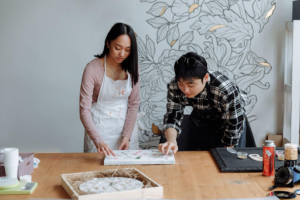
Start New Hobbies to Reignite Joy and Grow Your Social Circle
For adult learners balancing work, responsibilities, and the quiet pressure to keep growing, wellness often slips in small, easy-to-miss ways. Days get packed, stress gets louder, and social connection challenges creep in as friendships drift and conversations stay surface-level. When that happens, it’s easy to feel disconnected from personal interests and unsure where real community fits anymore. The good news is that the right hobby benefits for wellness can support mental health improvement and make reconnecting through hobbies feel natural again.
Quick Takeaways to Choose a Feel-Good Hobby
- Explore accessible hobbies that match your energy and interests to boost everyday wellness.
- Choose hobbies that support personal growth through learning, creativity, and confidence building.
- Try activities that strengthen mental health by reducing stress and improving mood.
- Pick hobbies that improve physical health through gentle, enjoyable movement.
- Join social engagement activities to build connections and deepen a sense of belonging.
Make Pixel Art Fast (Even If You “Can’t Draw”)
If you liked the idea of trying something new without needing a ton of gear or experience, AI-generated art is one of the easiest ways to jump into “making” right away. Think of AI pixel art as a low-pressure creative hobby: you can play with visual ideas in minutes, learn what kinds of prompts get the results you want, and quietly build real digital skills as you go. A pixel art generator uses AI to turn text prompts (or even a reference image) into retro-style pixel artwork, so you can create and tweak 8-bit and 16-bit-inspired graphics like icons, characters, and full scenes using prompt-based controls and visual effects. If you’re curious, tools like this free AI pixel art generator make it simple to experiment until you find a look you love.
The social side is surprisingly natural, too: share a favorite sprite or scene, swap prompting tricks with a friend, or join an online art community where people trade techniques and variations on the same idea. Even if you’ve always said “I can’t draw,” you’ll still end up with the first piece you can show, and a new creative thread to pull.
Match Your Mood to a Hobby: Creative, Active, or Techy
Some days you want calm. Other days you want a challenge, or people around you. Use your mood as the “menu,” and pick a hobby that fits your energy the same way pixel art fits a low-pressure creative night.
- Pick a “two-chord” instrument habit: Choose an instrument that feels physically easy to start (ukulele, keyboard, hand drum, or even voice) and commit to one tiny skill: two chords, one riff, or a simple beat. Practice 10 minutes with a timer, then send a 15-second clip to a friend or a beginner group, sharing progress creates natural bonding without the pressure of performing. The wellbeing win is focus and quick feedback: your brain gets a clear task, a clear finish line, and a little confidence bump.
- Use painting as therapy, not a performance: Set up a “mess-friendly” corner with cheap paper or a sketchbook and one medium (watercolor, acrylic markers, or even a single color). Try a calming prompt like “paint your day as weather” or “three colors that match your mood,” then stop after one page, no fixing, no reworking. Many people find that sensory hobbies like painting and crafts can support creative expression, which is exactly why this works when you’re stressed: it’s soothing, physical, and forgiving. If you want the social piece, do a silent “paint-together” call where everyone works on their own page.
- Turn language learning into a connection hobby: Pick one practical theme per week, ordering food, small talk, travel phrases, and collect 20 useful sentences you can actually say out loud. Do 5 minutes of speaking practice daily, then schedule one weekly chat swap or group conversation session where mistakes are expected. Language learning is sneaky wellness: it keeps your mind busy, builds confidence in small reps, and gives you instant conversation starters with new people.
- Try yoga as a mental reset you can feel: Choose one style based on your mood: gentle flow for anxiety, longer holds for tension, or short mobility for “I don’t want to work out.” Keep it simple: 3 poses, 3 minutes each, plus one minute of slow breathing at the end. For social bonding, go to a beginner class once a week, or join a virtual class where you can keep your camera off until you’re comfortable.
- Join a group fitness “container” for easy friends: Pick something with a built-in structure, walking club, dance cardio, spin, recreational sports, or strength circuit, so you don’t have to plan the workout yourself. Aim for two sessions a week for a month; repetition is what turns familiar faces into friendly nods and then real conversations. If you like tech motivation, remember that nearly half of U.S. adults own a fitness tracker or smartwatch, so it’s normal to share steps, heart-rate zones, or streaks as a low-key way to connect.
- Build “creative arts for social bonding” around sharing, not talent: Use the same low-stakes approach as pixel art: make something small, finish it fast, and share it. Try a monthly theme with friends, mini zines, photo walks, collage boards, or a simple craft night, and set a 60-minute cap so it stays fun. The point is finishing and connecting; skill grows naturally when you show up regularly.
Simple Hobby Rituals You’ll Actually Repeat
Hobbies stick when they live on your calendar and in your environment, not just in your motivation. These small rituals help you build wellness and friendships gradually, so your skills and confidence grow without needing a big “fresh start.”
The 10-Minute Starter Timer
- What it is: Set a timer and do one tiny task in your hobby.
- How often: Daily or 4x weekly.
- Why it helps: A clear finish line lowers resistance and builds consistency.
The Same-Place Setup
- What it is: Keep your hobby tools visible in one easy-to-reach spot.
- How often: Weekly reset.
- Why it helps: Fewer steps to start means you practice more often.
The One-Sentence Debrief
- What it is: Write one line about how you feel after your session.
- How often: After each session.
- Why it helps: It reinforces that physical, mental, and social well-being can come from simple play.
The Two-Person Touchpoint
- What it is: Share a quick update or invite someone to join your next session.
- How often: Weekly.
- Why it helps: Accountability turns solitary hobbies into connection.
The Monthly “Try One New Thing” List
- What it is: Pick one new class, prompt, playlist, or community event to test.
- How often: Monthly.
- Why it helps: Momentum stays high while spending on hobbies rose 7.9% year over year.
Start One Hobby Skill for Wellness—Then Practice It Together
It’s easy to crave the calm and connection a hobby promises, then stall because time is tight and progress feels slow. The steady path is simple: treat skill learning as a small, repeatable practice, imperfect, consistent, and chosen for enjoyment, not performance. Over time, that mindset turns personal growth through hobbies into real long-term wellness benefits: more energy, steadier mood, and a sense of purpose that shows up on ordinary days. Consistency builds confidence, and confidence makes hobbies stick.